
Pharmacies are typically thought of as places to go to fill prescriptions. However, if you have to take many different drugs or frequently switch medications as part of a long-term treatment regimen for a disease or disorder, the traditional approach will fail to maximize many potential health benefits.
This is where the concept of pharmacy clinical services becomes important. While pharmacies focus mainly on filling prescriptions, pharmacy clinical services are centered around better results, improved safety, increased compliance, minimized risks, and early identification of possible concerns before they develop into more serious problems. You will be able to learn about all major advantages of such an approach to medications and the most essential pharmacy clinical services here in our guide.
What Clinical Pharmacy Is (In Simple Terms)
Clinical pharmacy is pharmacist-led care focused on helping patients use medications safely and effectively. It is not just “here is your prescription.” It is support that helps ensure the medication is the right choice, taken the right way, and still the right fit as your health changes.
How it differs from a dispensing-only experience:
- More time spent on education and questions
- More focus on preventing interactions and duplications
- Follow-ups that support long-term consistency
- Coordination with providers when adjustments are needed
The big idea is simple: better medication use leads to better health outcomes and fewer avoidable issues.

Benefits Of Clinical Pharmacy: How It Improves Patient Care
Clinical pharmacy support can improve patient care in several practical ways:
- Enhanced support and education: patients understand what they’re taking and why
- Effective treatment: appropriate medication, appropriate dosage, and appropriate timing
- Improved adherence: reduced number of forgotten dosages and refills
- Reduced medication mistakes: decreased chances for confusion, interactions, and duplication
- Preventive medicine: earlier identification of any adverse effects or risks
- Cost-effective medical care: fewer complications and unnecessary emergency visits
This applies especially to your medication regime in case it is a long-term one, not temporary antibiotics intake.
How Pharmacy Clinical Services Help Maximize Health Benefits
Pharmacists can support the full medication journey, not just the moment you pick up a prescription.
That includes:
- Starting new medications (how to take them and what to expect)
- Medication adjustments (changes in dose, switching medicines, discontinuing medicines safely)
- Monitoring effectiveness and any adverse effects (early detection of problems)
- Scheduling appointments and working with other providers when something needs to be changed
Many pharmacies use systems that make it easier for you to manage your medications (like reminders and coordination), as well.
Service 1: MTM (Medication Therapy Management)
Medication Therapy Management (MTM) is one of the most valuable services for patients taking multiple medications.
Why MTM matters:
- It helps ensure every medication has a purpose
- It reduces the risk of interactions, duplications, and unnecessary meds
- It helps patients understand their regimen clearly
What happens during MTM:
- A full medication review (prescriptions, OTC meds, supplements)
- Identification of interactions, duplications, and “no longer needed” meds
- Schedule simplification (timing, spacing, routine building)
- Education that improves confidence and adherence
Outcomes:
- Improved safety
- Better results from therapy
- Lower costs over time through fewer avoidable problems
Service 2: Pharmacist-Led Disease Management For Chronic Conditions
For chronic conditions, consistency and monitoring matter. Pharmacist-led disease management supports patients who need ongoing stability.
Who it helps:
- Diabetes
- Hypertension
- COPD
- Heart disease
- Other long-term conditions where medication routines are ongoing
What pharmacists do:
- Review health history, lifestyle factors, and current regimen
- Monitor response to therapy and adherence barriers
- Provide follow-ups and coordinate with prescribers for adjustments
Outcomes:
- More stable conditions
- Fewer flare-ups
- Fewer adverse drug events
- Better long-term control with less “trial-and-error”
Service 3: Patient Counseling And Pharmacist Consultation Services
One of the most underrated benefits of clinical pharmacy is 1:1 counseling. When patients feel confident, they follow routines more consistently.
What patients can ask about:
- How to take each medication correctly
- Side effects and what to watch for
- Interactions with OTC meds, supplements, and food
- What to do if a dose is missed
Outcomes:
- Fewer mistakes
- Better routine consistency
- Safer long-term medication use
A five-minute conversation can prevent weeks of confusion.
Service 4: Pharmacist Wellness Services And Preventive Care
Clinical pharmacy is not only about managing problems, it is also about preventing them.
Examples of wellness and preventive services:
- Immunizations
- Health screenings (where available)
- Smoking cessation support
- Drug reaction monitoring and risk reduction
Outcomes:
- Fewer preventable illnesses
- Better long-term health protection
- Earlier detection of issues before they become emergencies
Medication Reconciliation: The “Quiet” Service That Prevents Big Problems
Medication reconciliation is the process of keeping your medication list accurate when things change.
In plain language: it helps make sure your “real list” matches what you are actually supposed to take, especially after:
- New prescriptions
- Dose changes
- Specialist visits
- Hospital discharge
Why it matters:
- Prevents duplicate therapies
- Reduces confusion about what to stop vs continue
- Helps avoid dangerous interactions
Outcomes:
- Less confusion at home
- Fewer medication-related issues
- Safer transitions of care
How To Choose The Right Pharmacy Clinical Services For Your Needs
Here is a quick checklist to decide what you might benefit from:
- Do you take multiple medications?
- Do you have a chronic condition?
- Have you had recent medication changes?
- Do you need reminders, packaging, or refill coordination?
What to bring to your first visit:
- Medication list (including OTC and supplements)
- Allergies and sensitivities
- Your top questions (write them down)
- Recent labs if available (optional, but helpful)
The more complete your information, the more useful the pharmacist’s guidance will be.
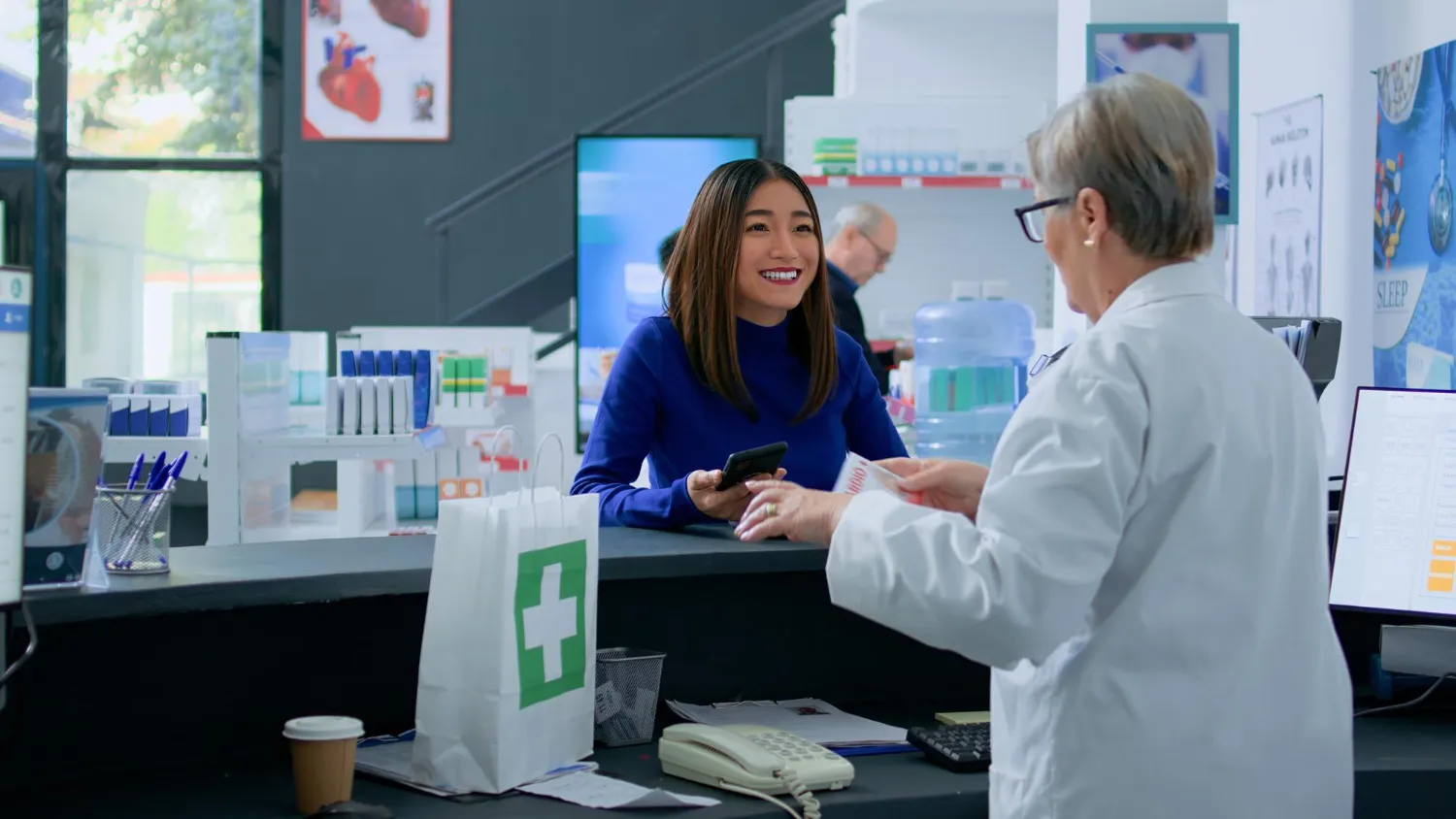
FAQs About Pharmacy Clinical Services
Do I Need An Appointment?
It depends on the pharmacy and the service. Some counseling is walk-in, while MTM or disease management may be scheduled.
How Often Should I Do MTM?
Many patients benefit from periodic reviews, especially after medication changes. Frequency depends on complexity and provider recommendations.
Can Pharmacists Coordinate With My Doctor?
Yes, often pharmacists can contact prescribers to clarify directions, request refills, suggest alternatives, or flag concerns.
Conclusion
The provision of clinical pharmacy interventions adds value to patient care by ensuring that medications are taken in a safe and consistent manner with good results. Medication therapy management, disease management, counseling, wellness, and medication reconciliation all come into play to minimize confusion and avoid unnecessary obstacles.
In order to get the most out of the healthcare services available to you, one of the first things you should do is ask your pharmacist about available clinical interventions, particularly a medication review, especially through services offered by Citizen Pharmacy.
Get More From Your Meds, Not More Stress
Use pharmacy clinical services to review your regimen, reduce errors, and build a routine you can actually stick to.