Have you ever left the doctor’s office with more questions than answers? Well, if you have, you’re not alone. It is like the healthcare system is a sprint. You go in to see your doctor, spend what feels like an eternity in the waiting room, and then feel like you have the world on your shoulders once you get home to “figure out the rest.” And if that’s not enough, throw in the medicine, the instructions, and scheduling follow-ups that seem to be an impossible task, and it is easy to see why people feel like they need help but don’t know how to get it.
This is where Pharmacy Clinical Services can make a significant difference. First and foremost, Pharmacy Clinical Services is not intended to replace your doctor. Instead, our team is focused on filling in the gaps that occur in real life, such as medication management and quick access to preventative care. Within this blog, we hope to explore the difference between pharmacy-based care and traditional care and how this care can be used in conjunction with other care models to produce better outcomes.
What are Pharmacy Clinical Services?
Pharmacy Clinical Services are healthcare services provided by pharmacists that are beyond the dispensation of medication. They provide assistance and guidance for the management of the health of patients between visits with their doctors.
Some of the most commonly available Pharmacy Clinical Services include medication review, management of chronic conditions, immunizations, wellness programs, and education for patients. These are often accessible and can be very effective in helping patients with the management of their medication in their daily lives.
Traditionally, these are the ones provided by primary care providers, specialists, urgent care clinics, and hospitals. These are the places where diagnoses are made, tests are run, and treatment plans are created, especially for new symptoms, new conditions, and specialist visits.

However, these can sometimes be limiting in the level of support that can be given, especially when the appointments may take time to be scheduled and the follow-ups for medication may be brief. That is where the Pharmacy Clinical Services can be of great help in filling in the gaps.
Clinical Services Pharmacy: What You Can Get at a Modern Pharmacy
A Clinical Services Pharmacy is a pharmacy that offers expanded clinical support, not just prescription pickup. Services vary by location, but many modern pharmacies provide a mix of preventive care, medication management, and chronic condition support.
Common services you may find include:
Preventive services
- Vaccines and immunizations
- Wellness checks and basic screenings
Medication management
1. Adherence support and refill planning
2. Refill synchronization support (so pickups are simpler)
3. Medication therapy reviews and medication education
Chronic care support
- Blood pressure monitoring and coaching
- Diabetes education support
- Inhaler technique checks for asthma or COPD patients
Point-of-care testing (where available)
1. Flu or strep testing
2. A1C checks
3. Cholesterol screening
A good Clinical Services Pharmacy also knows when to loop in your provider. If something looks off, like side effects, interactions, or uncontrolled numbers, they can coordinate with your doctor so you are not managing everything alone.
Pharmacist Consultation Services: the Biggest Difference Patients Feel
If there is one part of pharmacy based care that patients notice immediately, it is Pharmacist Consultation Services.
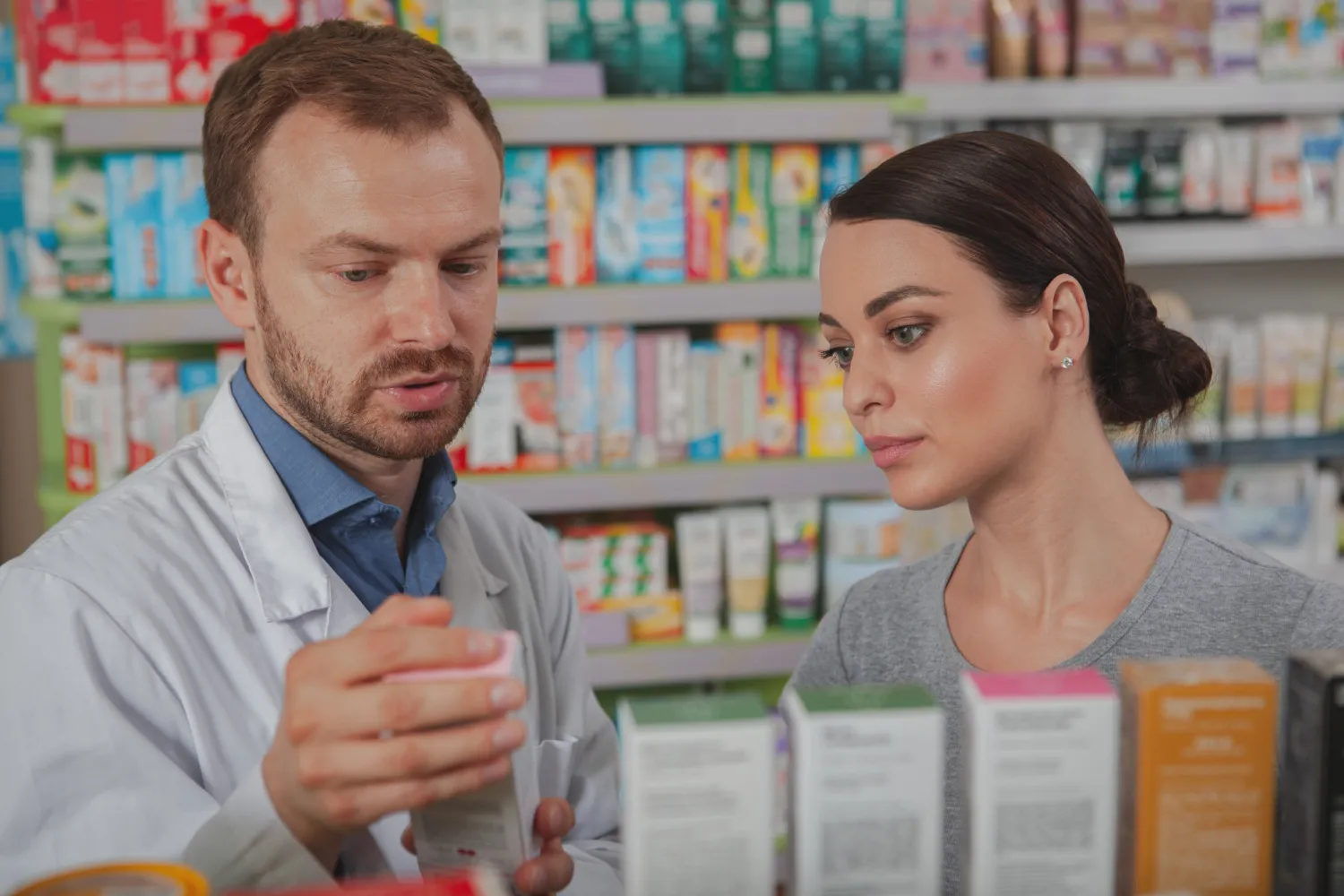
In plain language, Pharmacist Consultation Services are one on one conversations with a pharmacist focused on your medications and how they fit into your life. It is not rushed, and it is not just “take this twice a day.” It is practical support.
Here is what you might be able to work on during the consult:
- Review your current prescriptions, over the counter medications, and supplements
- Identify potential interactions, duplications, side effects, and timing issues
- Develop a basic action plan (how to take your meds, when, with food and when not, etc.)
- Elevate your concerns to your prescriber if changes are necessary
Why this helps: you will have more time for questions, explanations, and advice that actually works in your life. For many patients, this is the missing link between “I have a prescription” and “I am taking my medicine correctly.”
Pharmacy Clinical Services vs Traditional Care: Side by Side
comparison: Let’s compare them in a simple, real world way.
Access: Traditional care often requires appointments and longer waits. Pharmacy services are frequently walk-in, same day, or easier to schedule.
Focus: Traditional care focuses on diagnosing conditions and building treatment plans. Pharmacy care focuses on medication optimization, prevention, and helping you follow the plan safely.
Continuity: Doctors may see you every few months. Pharmacies can support frequent touchpoints, quick check ins, and ongoing follow up around refills and side effects.
Cost and convenience: Pharmacy services can reduce missed work hours, reduce last minute urgent care visits for medication issues, and help prevent avoidable complications. Depending on your insurance and local options, some services may be low cost or covered.
When to choose Pharmacy Clinical Services (and when not to)
Pharmacy support is incredibly useful, but it is important to know where it fits.
Best for
- Medication questions, side effects, interactions
- Chronic condition check ins and adherence support
- Vaccines and basic screenings
- Help understanding new prescriptions after a doctor visit
Not a replacement for
1. New, severe, or worsening symptoms
2. Emergencies (chest pain, trouble breathing, stroke symptoms)
3. Complex diagnostics, imaging, or procedures
4. Specialist level treatment decisions
Think of it this way: your doctor diagnoses and sets the plan, your pharmacy helps you execute the plan safely and consistently.
How to Get Started with a Clinical Services Pharmacy
Getting started is simple, but a little preparation helps you get more value.
What to bring
- A complete medication list (including supplements)
- Recent labs if you have them (optional but helpful)
- Insurance card
- A short list of questions or symptoms you want to discuss
How to Prepare for Pharmacist Consultation Services
Some of the questions you might ask include:
1. Are any of the medications I am taking doing the same thing?
2. What side effects should I be looking for? What is normal and abnormal?
3. What time of day is best for me to be taking the medication?
4. Are any of the medications I am taking affected by foods, alcohol, or supplements?
5. What if I miss a medication?
What follow up will be like:
This will depend on the pharmacy, but may include check in, coordination of refills, and communication with your provider when necessary.
FAQs about Clinical Services Pharmacy options
Do I need an appointment for Pharmacy Clinical Services?
It depends on the pharmacy and the service. Many offer walk in options for vaccines and basic checks, while consultations may be scheduled.
Are Pharmacist Consultation Services covered by insurance?
Coverage varies. Some services are covered, some are offered at low cost, and some depend on programs available in your area.
Can my pharmacist contact my doctor?
Yes. Pharmacists often contact the prescriber concerning drug interactions, refill requests, changes in therapy, and medication concerns.
How often should I do a medication review?
A general rule is at least once a year, and when you start a new medication, have a hospital discharge, or experience side effects or confusion.
Conclusion
Traditional care and pharmacy-based care are not rivals, they are allies. Traditional care is necessary for diagnosis, complicated treatment, and specialist decision-making. On the other hand, Pharmacy Clinical Services and a supporting Clinical Services Pharmacy can help make day-to-day health management more manageable through education, monitoring, and medication management.
When combined, the experience is not only effective in a clinical sense, but also in the real world—especially with support from Citizen Pharmacy.