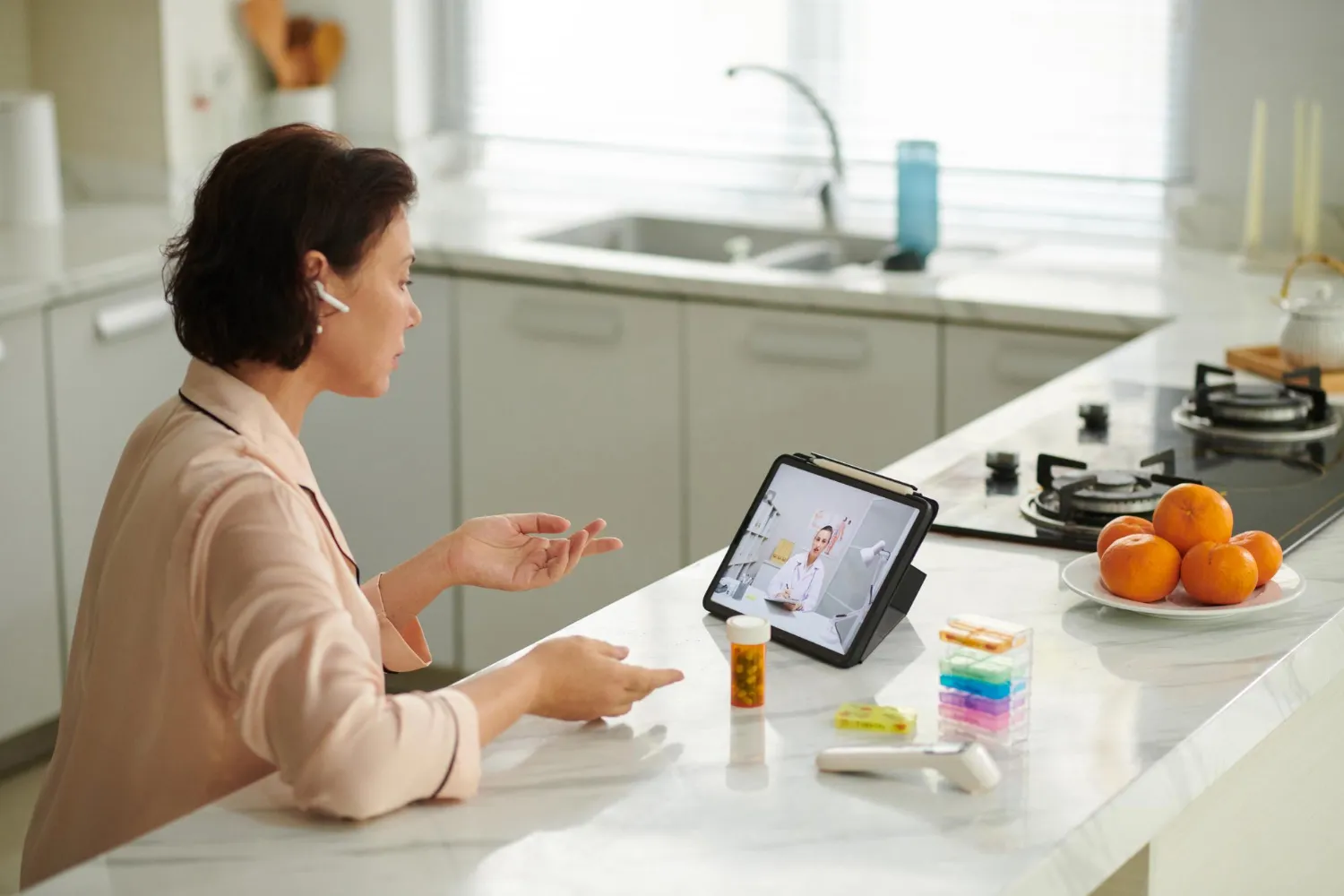
Most people do not choose a pharmacy based on branding. They choose based on what life feels like week to week. Refills take time. Questions come up at inconvenient moments. Follow ups get delayed. And when you are managing medications long term, the “small” friction adds up fast. That is why the real decision is usually time plus money, not just price per prescription. telehealth pharmacy options are growing because they reduce errands and make support easier to access. But traditional in person pharmacies still win in certain moments, especially when you need something urgently today. This guide compares telehealth pharmacy to traditional pharmacies in simple terms to help you pick the option that saves time, cuts hidden costs, and keeps you on track with your health routine.
What is a Telehealth Pharmacy?
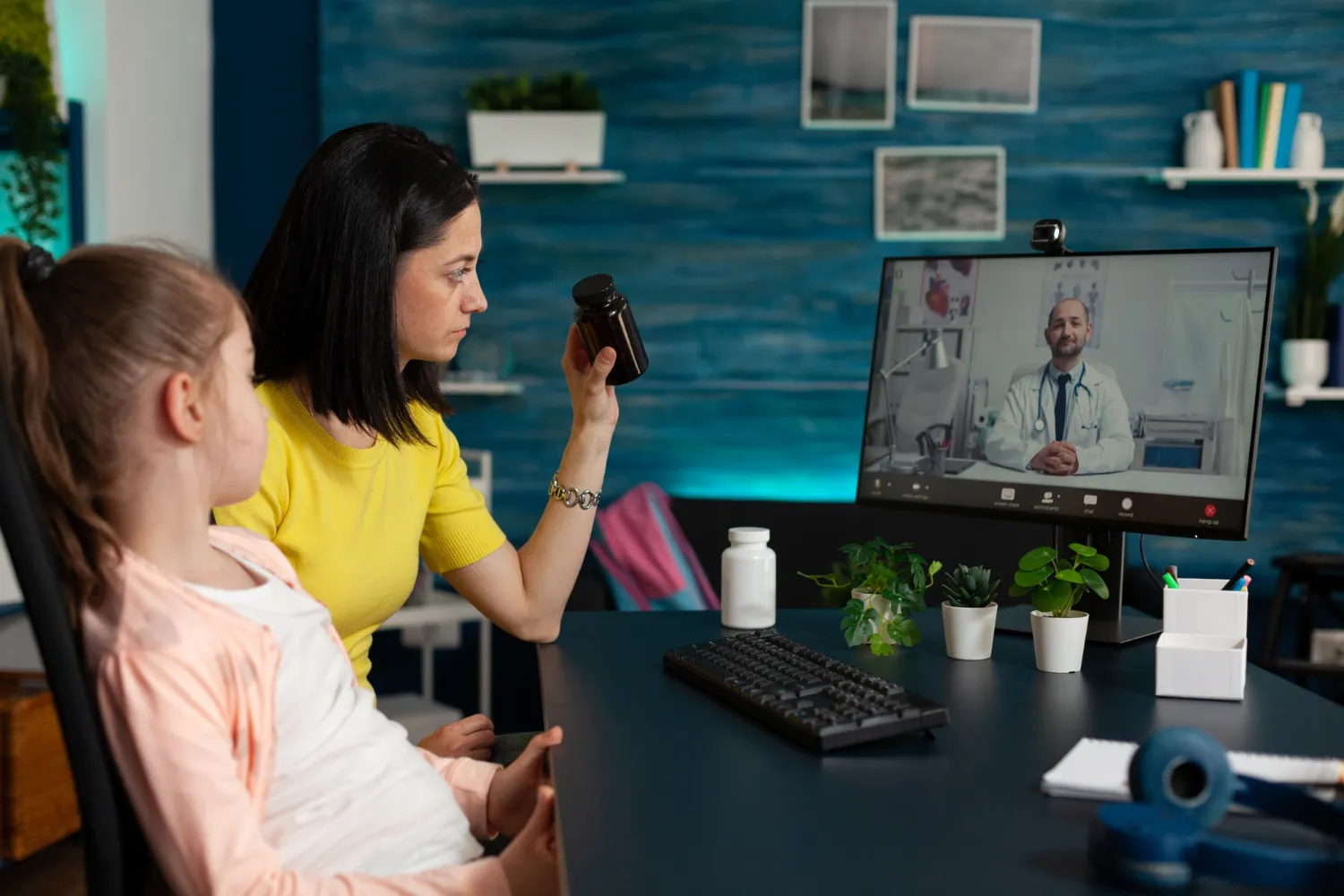
Telehealth pharmacies offer services via phone, video, and secure online stuff, plus apps. They often hook it up with delivery or mail too, making it super convenient for folks to get their meds and advice without leaving home.
Common services include:
- Prescription refills and refill coordination
- Medication counseling and “how do I take this” guidance
- OTC recommendations that fit your current medications
- Adherence support like reminders, refill planning, and sometimes packaging options
Who it is designed for:

- Busy schedules that make pharmacy trips difficult
- Mobility limitations or limited transportation
- Chronic conditions requiring routine refills
- Caregivers managing medications for family members
What is a Traditional Pharmacy?
A traditional pharmacy is the in person retail or community pharmacy most people are familiar with. You pick up prescriptions, shop OTC products, and can often speak with a pharmacist face to face.
Common services include:
- Same day pickup for many prescriptions
- Pharmacist counseling at the counter
- Vaccines and preventive services
- Basic screenings in some locations (varies by pharmacy)
Why many patients still prefer it:
- Immediate access when something is urgent
- Face to face help feels simpler for complex questions
- You can combine errands, pickup, OTC items, and vaccines in one trip
Time Comparison: Telehealth Pharmacy vs Traditional Pharmacy
Where telehealth pharmacy saves time
Telehealth pharmacy tends to save time when your needs are routine and repeatable.
Time savers include:
- No commute, no parking, no waiting in line
- Medications delivered to your door
- Quick pharmacist consults by phone or video
- Easier follow ups for questions that pop up after you start a medication
Where traditional pharmacy saves time
Traditional pharmacies can be faster when you need something immediately.
Time savers include:
- Same day pickup for urgent prescriptions
- Faster solutions for last minute needs (like an antibiotic today)
- Easier to grab add on OTC items in the same visit
Real life scenarios
Busy parent: Telehealth pharmacy saves time by removing the extra trip, especially when kids are in school pickup mode and schedules are tight.
Chronic condition patient: Telehealth pharmacy saves time through delivery, refill planning, and easier medication check ins.
Caregiver: Telehealth pharmacy saves time by reducing coordination, fewer urgent refill runs, and easier follow up calls.
Sudden illness: Traditional pharmacy saves time when you need a medication today, not in two days.
Money comparison: where costs actually show up
When people ask “which is cheaper,” they often focus only on copays. But the real costs include direct and indirect expenses.
Direct costs
- Copays and insurance coverage are often similar
- Delivery fees may apply sometimes
- Membership or service fees may exist in some models
Indirect costs (the hidden ones)
This is where the difference becomes real:
- Gas, parking, rideshare, or transportation costs
- Missed work time or lost productivity
- Childcare or caregiver coordination
- The cost of late refills, health setbacks, and avoidable urgent visits
If telehealth pharmacy helps you avoid missed refills and last minute gaps, it can reduce the most expensive “hidden” costs over time.
When Telehealth Pharmacy Saves You the Most
Telehealth pharmacy tends to be the best value when you have ongoing needs.
It often saves the most for:
- Multiple maintenance medications and frequent refills
- Patients who need ongoing medication questions answered
- People in remote areas or with limited transportation
- Caregivers managing meds for family members
- Patients who benefit from reminders, refill sync, or packaging support
If your biggest pain is the repeated refill cycle, telehealth pharmacy usually wins.
When a Traditional Pharmacy May Save you More
Traditional pharmacies often win when speed and immediacy matter.
They may save you more when:
- You need same day urgent prescriptions
- You strongly prefer in person counseling
- You are a cash pay shopper comparing local prices
- You want vaccines or quick OTC add ons in one trip
- You have complex pickup requirements that are easier handled face to face
If your biggest pain is “I need this today,” traditional pharmacy usually wins.
Safety and Convenience: What Matters More than Price
No matter which option you choose, safety should be non negotiable.
Look for:
- Medication accuracy and clear labeling
- Easy access to a pharmacist for questions
- Secure communication and privacy protections
- Clear escalation guidance, when to call your doctor or seek urgent care
- Refill planning that prevents medication gaps
The “best” pharmacy is the one that helps you stay consistent without confusion.
Quick Decision Guide: which One Fits Your Lifestyle?
Choose telehealth pharmacy if you value:
- Delivery and fewer errands
- Routine refills and predictable medication management
- Remote pharmacist support for questions and follow ups
Choose traditional pharmacy if you value:
- Immediate pickup and same day solutions
- Face to face counseling
- One trip convenience for OTC items and vaccines
Hybrid approach:
Many patients use both. Telehealth pharmacy for maintenance medications, and a traditional pharmacy for urgent or last minute needs.
FAQs: Telehealth Pharmacy vs Traditional Pharmacy
Is telehealth pharmacy covered by insurance?
Often, yeah, but it depends on what your specific plan covers and the pharmacy network you’re in.
Can I transfer prescriptions easily?
Usually, yeah, but it depends. Most pharmacies will help you out if your meds are eligible for transfer.
How fast is delivery compared to picking up your prescription?
Well, you can often pick up same day. Delivery times vary based on the pharmacy and where you live, so ask about their typical delivery windows and if they offer tracking.
Conclusion
Telehealth pharmacy services are great for routine refills and managing chronic conditions, but for urgent needs, traditional pharmacies are often the better option. They can provide what you need right away, whereas telehealth solutions may take longer—especially when supported by trusted providers like Citizen Pharmacy.
The best choice is the one that prevents missed doses and last minute refills, because that is where the real time and money costs show up.
Save Time on Refills, Not Just Money
Choose a telehealth pharmacy for delivery, quick consults, and refill planning that cuts errands out of your week.