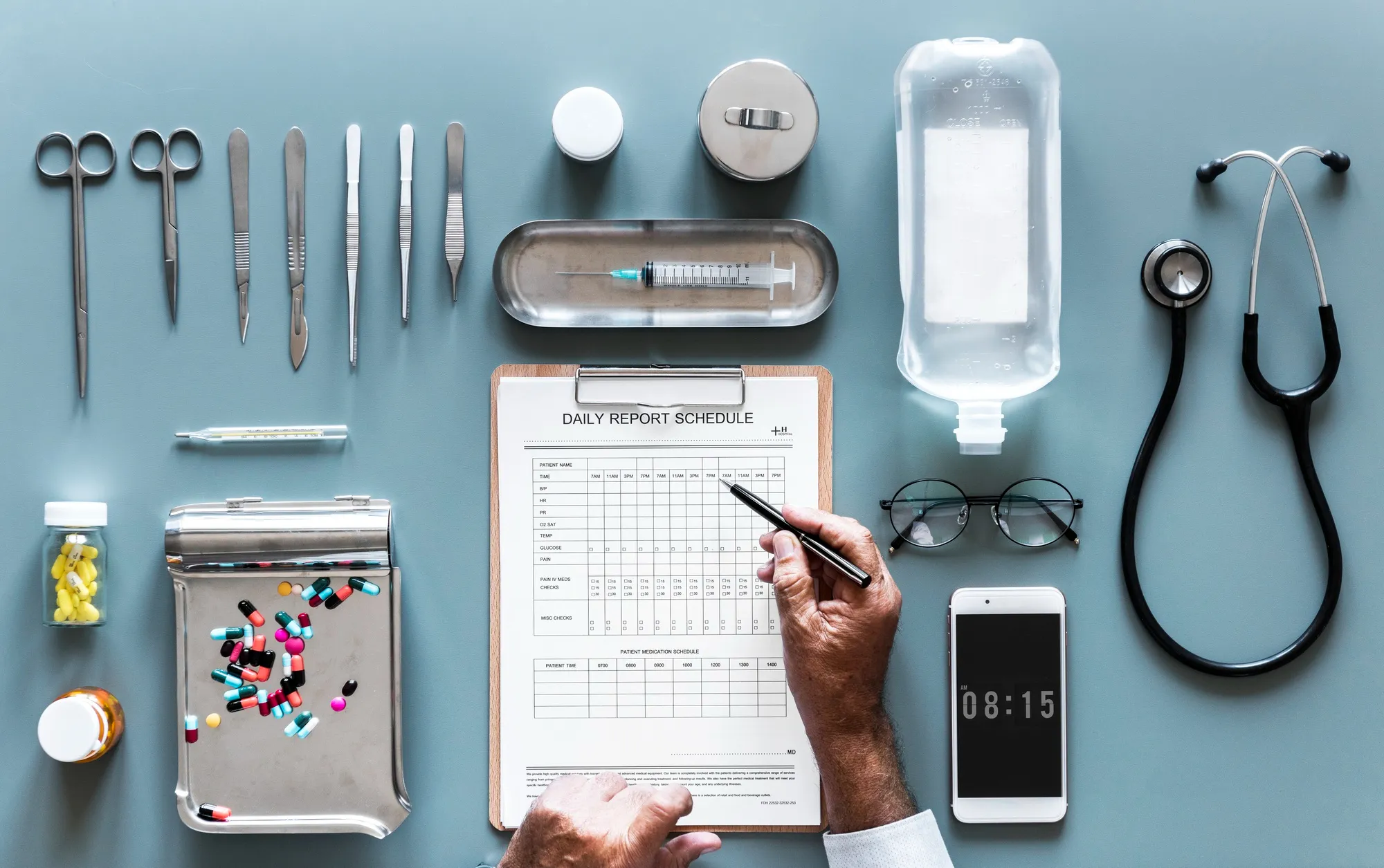
Medical equipment is a normal part of life – from walkers after surgery to CPAP machines for improved sleep and shower chairs for safe bathroom access. Not all medical equipment is the same, however, and this can impact insurance, rentals, and forms.
Knowing the difference between DME, HME, and assistive devices will help you make better choices and prevent delays. The best Medical Equipment Supply partner is more than just a source for equipment – they can help you navigate equipment selection, forms, and more so you can use the equipment with confidence.
Medical Supply Pharmacy vs Medical Supplies: Key Terms You’ll See Everywhere
“Medical equipment” and “medical supplies” are often used interchangeably, but they can refer to different things.
“Medical equipment” is often a larger, reusable item used for mobility assistance, breathing assistance, sleep therapy, or safety.
“Medical supplies” are often smaller, consumable items such as gloves, wound dressings, diabetic testing supplies, or CPAP filters.
You will also see different buying paths depending on what you need:
- Insurance covered (often requires a prescription and documentation)
- Cash pay (faster, fewer steps, but out of pocket)
- Rental (common for short term recovery or trial periods)
- Subscription or refill model (common for ongoing supplies)
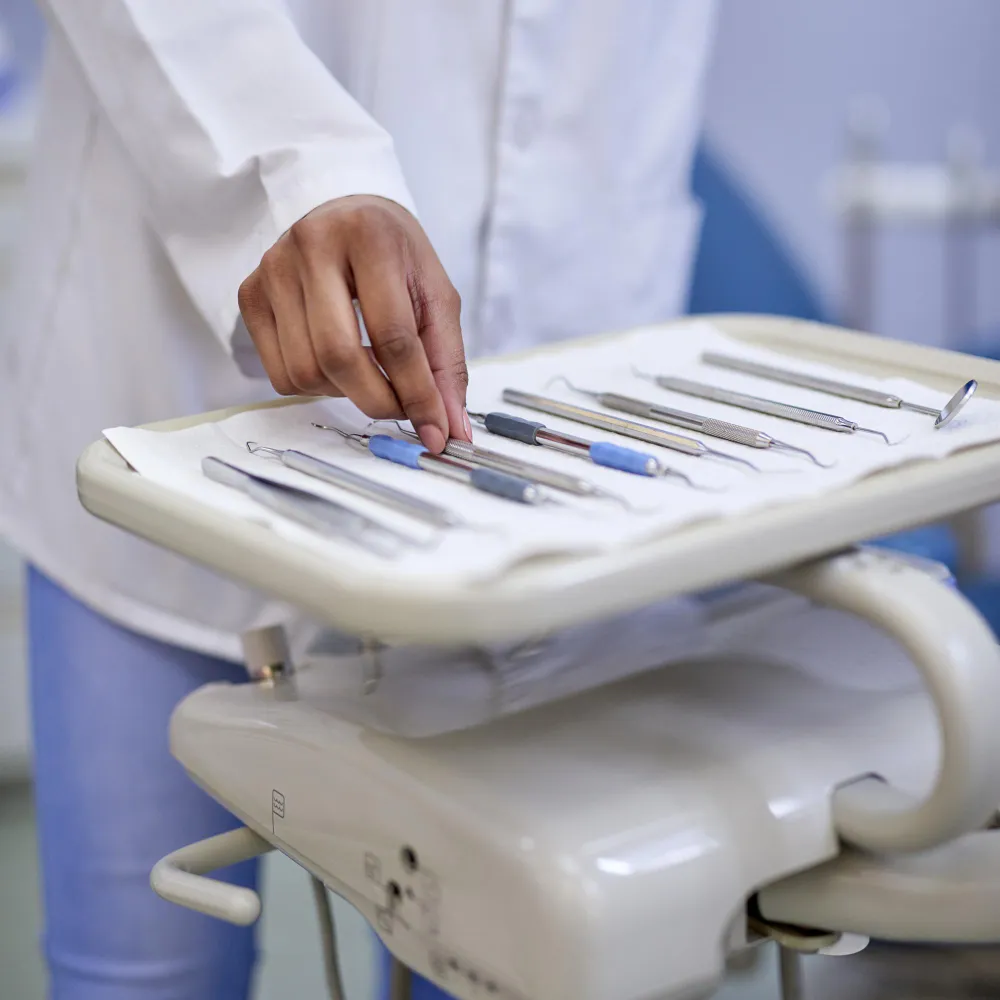
This is where a Medical Supply Pharmacy can be a huge advantage. Rather than jumping between a pharmacy, a supply store, and a provider, a Medical Supply Pharmacy could provide one stop pickup, pharmacist advice, and simplified refills for regular needs. A Medical Supply Pharmacy in your area can also assist you with troubleshooting if something isn’t fitting correctly or isn’t functioning as you thought it should.
DME In Jacksonville: Durable Medical Equipment Explained
Now, let’s discuss DME. Durable Medical Equipment typically refers to equipment that is made to last, used for a medical reason, and suited for use in the home. Many insurance policies have similar requirements, but it’s always best to check before purchasing.
Typical examples of DME (categorized):
1. Mobility: walkers, canes, wheelchairs
2. Respiratory: oxygen equipment, nebulizers
3. Sleep therapy: CPAP machines and accessories
4. Home safety: commodes, shower chairs
When DME is rented vs purchased:
Rental is common when the need is temporary, like post surgery recovery, or when the equipment is expensive and insurance prefers monthly billing. Purchase may make more sense when the item will be used long term, like a walker for ongoing stability support.
If you are searching for DME In Jacksonville, look beyond price alone. Ask about delivery, setup, insurance support, and whether they carry multiple brands or sizing options. The best DME In Jacksonville providers make it easy to get the right fit quickly, because the wrong fit is not just inconvenient, it can be unsafe
Home Medical Equipment (HME): What It Includes and Why Service Matters
Home Medical Equipment (HME) overlaps with DME, but the big difference is the “home” focus. HME often involves equipment that requires setup, training, or ongoing maintenance. It is not just about handing you a box, it is about making sure you can safely use what is inside it.
HME examples include:
1. Hospital beds
2. Lift chairs
3. Patient lifts
4. Home oxygen setups
Service matters here because these items often require delivery, installation, sizing, and follow up support. If you have ever tried to adjust a hospital bed or troubleshoot oxygen equipment without guidance, you already know why a strong local team makes a difference.
Assistive Devices for Daily Living: Independence and Safety at Home
Assistive devices are all about daily life. They may not always be labeled as “medical equipment” in the strict insurance sense, but they can be life changing for independence and safety.
Assistive devices typically include:
- ADLs (activities of daily living): reachers, dressing aids, adaptive utensils
- Vision and hearing support tools
- Fall prevention and home accessibility aids: grab bars, non slip supports, threshold ramps
These tools are especially helpful for seniors, people recovering from surgery, and anyone managing chronic conditions who wants to stay safe at home without needing constant assistance.
Choosing the Right Equipment: How a Local Medical Supply Pharmacy Can Help
Choosing equipment is not just about picking a product. It starts with understanding the real need.
A local medical supply pharmacy can help you think through:
- Your diagnosis and mobility level
- Your home layout (stairs, bathroom setup, tight spaces)
- Whether a caregiver will assist you
- Safety requirements and training needs
They can also assist with fitting and safety verification, such as sizing and weight capacity, which is especially important for walkers, wheelchairs, lift chairs, and shower safety equipment.
On the insurance side of things, patients usually have the same questions: Do I require a prescription, is prior authorization necessary, and what is considered medical necessity? A Medical Supply Pharmacy can walk you through the fundamentals and assist in avoiding delays due to a lack of documentation.
Lastly, they can assist you in preparing for the replacement cycle, such as CPAP masks, tubing, filters, or batteries. It is this type of support that often keeps small problems from becoming big ones.
Where to Buy: Medical Equipment Supply Provider vs Online vs Medical Supply Pharmacy
You have choices, and there are advantages and disadvantages to each.
Online: convenient, sometimes less expensive, but less support, more difficult return, and you are left to figure out the fit and troubleshooting on your own.
Medical Equipment Supply vendor: often good at delivery and insurance claims, especially with larger products.
Medical Supply Pharmacy: best for one-stop support, quicker pickup, advice from a pharmacist, and easier refills.
Many patients find that a Medical Supply Pharmacy or medical supply pharmacy near them is simply easier when you need help right away. You can ask questions, get product education, and work out exchanges without having to ship boxes back and forth.
Questions to ask before you purchase:
1. What is the warranty and return policy
2. Do you offer setup or training
3. What is your delivery timeline and service area
4. Who do I contact if something stops working
DME In Jacksonville Checklist: What Patients Should Look for Locally
If you are evaluating options for DME In Jacksonville, here is a simple checklist:
- Do they deliver to your area, and how quickly
- Do they offer setup, fitting, and training
- Can they help with insurance paperwork
- Do they carry multiple brands or sizes
- Is support available after purchase or rental begins
- Can you get ongoing supplies through a Medical Supply Pharmacy style model
A strong Medical Equipment Supply partner should feel like a support system, not a transaction.
FAQs: Medical Supply Pharmacy, DME, HME & Assistive Devices
Is HME the Same as DME?
Not exactly. There is overlap, but HME usually emphasizes home setup, training, and ongoing service.
Do I Need a Prescription for DME?
Often yes, especially if insurance is involved. Some items can be purchased cash pay without one.
Can I Rent Equipment Short Term?
Yes. Many DME items are commonly rented, especially for recovery periods
What Should I Bring When Visiting a Local Medical Supply Pharmacy?
Bring your prescription if you have one, insurance information if you plan to use coverage, and any measurements or notes that help with fitting, like height, weight, or home space constraints.
Conclusion
Once you grasp the distinction between DME, HME, and assistive devices, the process of purchasing or renting will no longer be so intimidating. You will know what to ask, what paperwork you may need, and where to turn for genuine help.
If you are not sure what type of product you have, begin by consulting with a pharmacist or equipment professional. You can contact a local medical supply pharmacy for information on their products, inquire about their availability for DME in Jacksonville, and ask about delivery or installation assistance if needed.